"CAMP Alatoo" PF has become a key partner of the international project "Systemic learning and mainstreaming of Biodiversity Targets for Innovative Transformation and Behavioural Change – SYMBIOTIC" in Kyrgyzstan.
Besides our country, this initiative is being implemented in Ethiopia, Indonesia, Kenya, and Madagascar under the leadership of NABU (Nature and Biodiversity Conservation Union, Germany) and with the support of the International Climate Initiative (IKI).
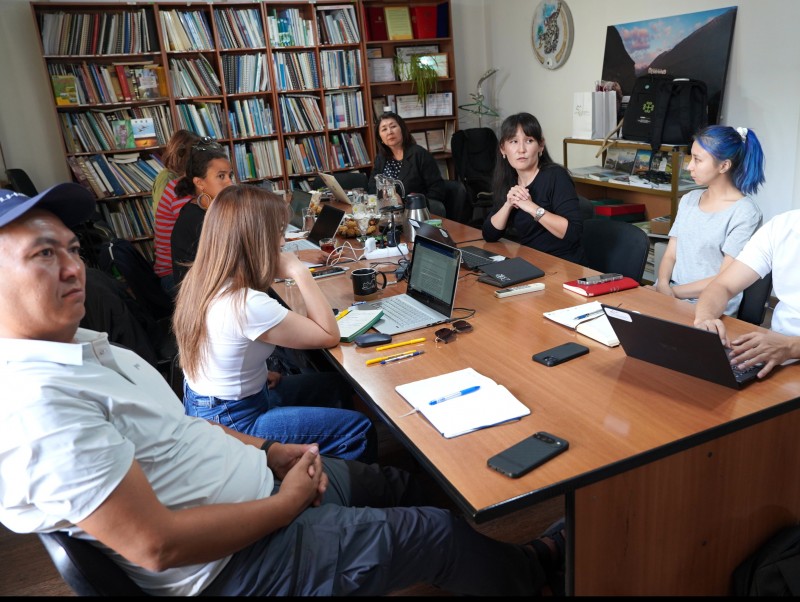
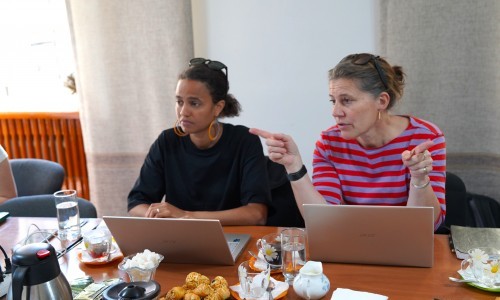
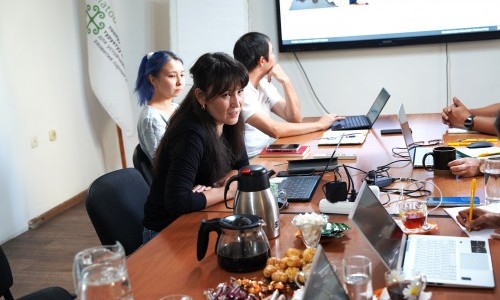
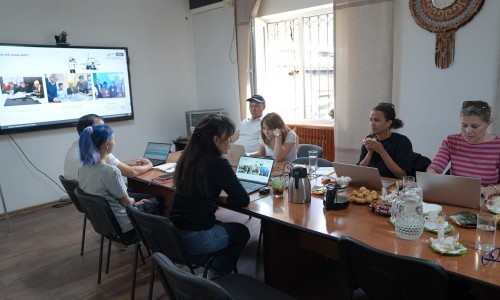
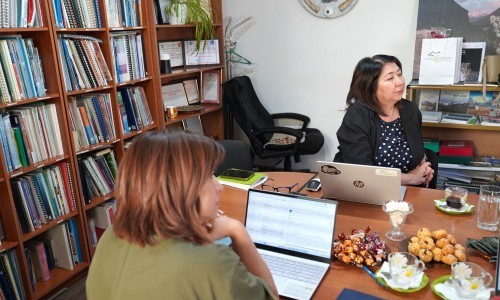
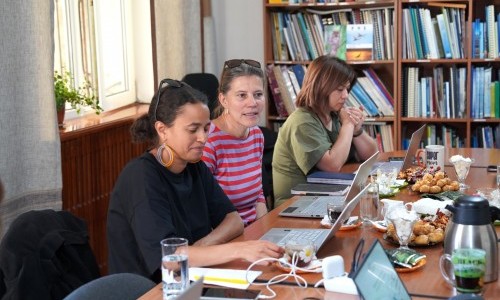
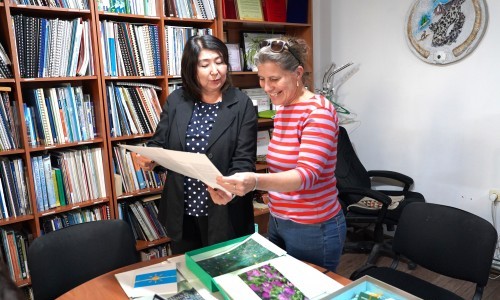
Following a project partners' working meeting held from September 14 to 18 in Nairobi (Kenya), a series of expert consultations moved to Bishkek. From September 21 to 25, project specialists from NABU — Programme Manager Nadine Faschina and expert Stella van Sasseh — are in the capital.
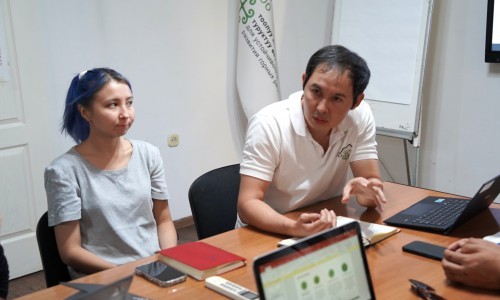
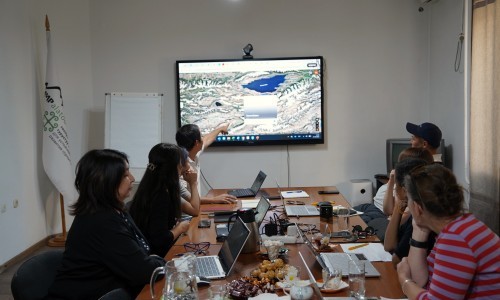
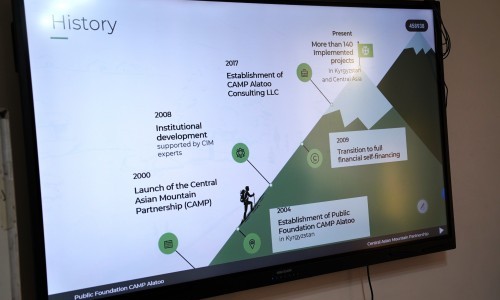
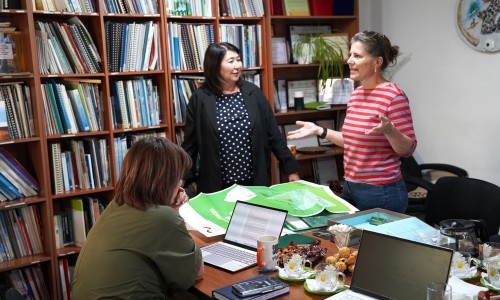
The first item on the working agenda was getting the guests acquainted with the team and activities of "CAMP Alatoo" PF . The foundation's specialists presented the organization's history, priority areas of work, and results of past projects.
Since one of the directions of the SYMBIOTIC project in Kyrgyzstan is related to sustainable pasture management and the development of yak farming, special attention at the meeting was paid to the successful experience of previous joint initiatives. In particular, they discussed the project "Effective Yak Farming in the Tian Shan Mountains of Kyrgyzstan," which was implemented with the support of NABU in Naryn and Kochkor districts (in the Kara-Kujur and Solton-Sary valleys). The results of this work included digital maps and pasture management plans for three ayyl aimaks (rural municipalities), as well as building local residents' skills in preventing and mitigating conflicts between yak herders and other land users.
Another important topic of discussion was the cooperation of "CAMP Alatoo" PF with state bodies and local authorities within the framework of various projects. As a representative example, the foundation's experts shared their experience in establishing the "Baiboosun" Protected Area of Local Significance in the Ton district of the Issyk-Kul region. With the organization's support, legal issues were settled to grant the territory official legal status.
Furthermore, a major step was the joint work with the Department of Biodiversity Conservation and Protected Areas under the Ministry of Natural Resources of the Kyrgyz Republic on creating the "Ak-Ilbirs" ecological corridor covering an area of about 1 million hectares. This initiative was included in the Development Plan of the Cabinet of Ministers of the Kyrgyz Republic for 2025–2026.
As specialists from "CAMP Alatoo" PF explained, partnership with government structures also includes participation in the development of state strategic documents in the field of ecology and climate (NBSAP and NDC) and systemic support to local self-government bodies in developing pasture management and use plans within the framework of the Law of the Kyrgyz Republic "On Pastures." For relevant agencies, the foundation also develops digital tools and databases, as well as organizes international study tours for specialists from Central Asian and Caucasian countries.
During their stay in Kyrgyzstan, the NABU representatives will hold meetings with key stakeholders — the Department of Biodiversity Conservation and Protected Areas under the Ministry of Natural Resources of the Kyrgyz Republic, the Department of Pasture and Land Reclamation under the Ministry of Agriculture of the Kyrgyz Republic, the international organization GIZ, and higher education institutions. The visit program also includes a field trip to the project sites in the Issyk-Kul region, where the guests will visit the "Baiboosun" Protected Area of Local Significance and the "Kushtar" wetland micro-reserve to assess the results of working with local communities directly on site.
About the project: The main goal of the SYMBIOTIC project is to make biodiversity conservation an integral part of sustainable development, education, state planning, and economic decision-making processes at all levels. In Kyrgyzstan, the project will cover five key areas: integrating biodiversity issues into state programs and economic plans, implementing sustainable pasture management and yak farming practices, developing educational programs and citizen science, conducting awareness-raising campaigns, and developing sustainable economic models and value chains.


Итоги пастбищного сезона 2018 года были подведены на очередном заседании районной пастбищной комиссии (РПК).
More
The development of the unified method, "Monitoring Pastures at the Local Level," is nearing completion.
More
Четыре новых моста построены в 2018 году в Кыргызстане при поддержке ОФ “CAMP Алатоо” и Швейцарской ассоциации “Памирские...
More