CAMP Alatoo PF has launched a new initiative titled “Peace forest initiative pilot project on nature based solutions for climate resilience and social cohesion in Central Asia”, implemented with the support of the UNDP. The project aims to demonstrate how local communities, by adopting "green" practices, can independently protect natural resources from climate risks while strengthening social cohesion.
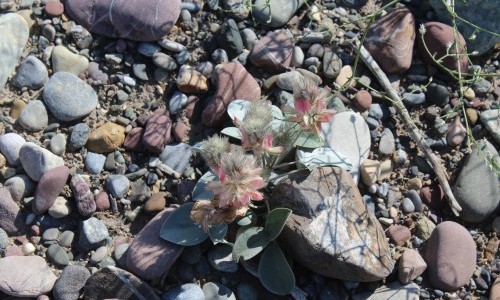
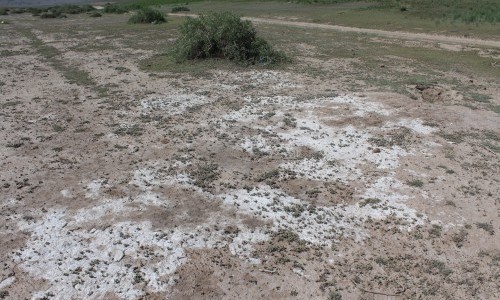
The project plans to restore 17 hectares of pastures and riparian forests by over-seeding local plant species that are best adapted to the high-altitude climate of Chon-Alay. All project activities will be built upon the direct engagement and participation of local residents at every stage of implementation.
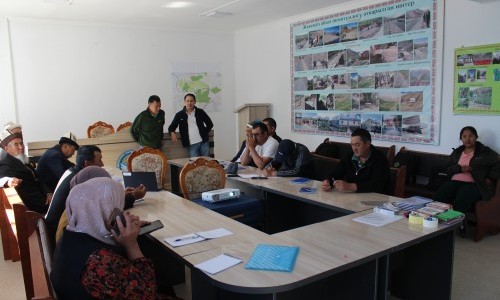
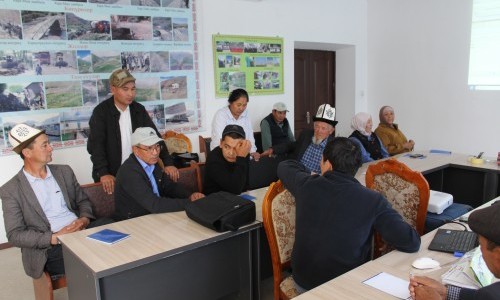
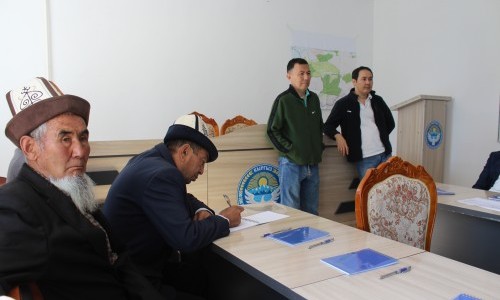
The first step toward involving communities in project management was taken during a round table on the restoration of degraded lands, held in Karamyk village, Chon-Alay district of the Osh region. The event brought together over 20 representatives from local self-governing bodies, the local kenesh, forestry management, business structures, as well as women's, elders', and youth councils from the villages of the Jekendi ayil aymak.
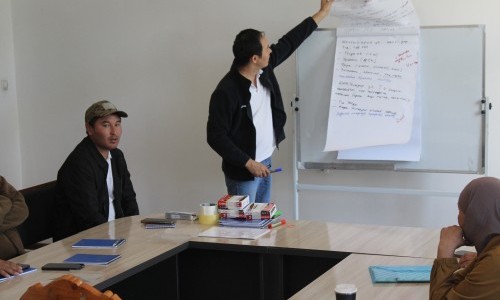
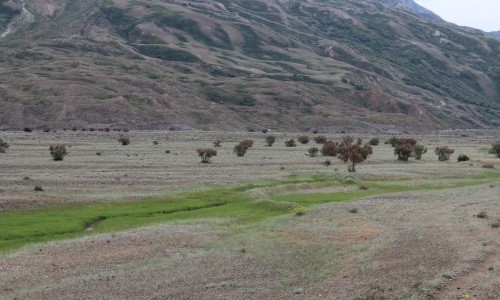
Maksat Miynazarov, Project Coordinator from CAMP Alatoo PF, presented a detailed overview of the initiative's goals and objectives. Local residents emphasized the high relevance of the project, noting that the region has been acutely feeling the impacts of climate change in recent years. Due to droughts, the water flow of major rivers has decreased, leading to riverbank degradation, while riparian forests have noticeably thinned out. As a solution, the villagers suggested conducting riverbank stabilization works and planting sea buckthorn and willow, whose root systems stabilize the soil and mitigate water flow.
A key milestone of the meeting was the discussion and establishment of the Local Coordination Committee (LCC) for the restoration of degraded lands. Experts from CAMP Alatoo PF presented a draft of the committee's operational regulations, which had been previously co-developed with staff from the ayil okmotu. Participants unanimously approved the regulations and formed the structure of the LCC, which includes representatives from local self-government, Chon-Alay forestry management, women's, elders', and youth councils, as well as entrepreneurs, environmentalists, and residents from five villages within the Jekendi ayil aymak.
The adopted documents of this new public body have been submitted to the Jekendi ayil okmotu for official approval and administrative processing. Meanwhile, the LCC members have already held their first meeting, where they approved the schedule for upcoming activities.
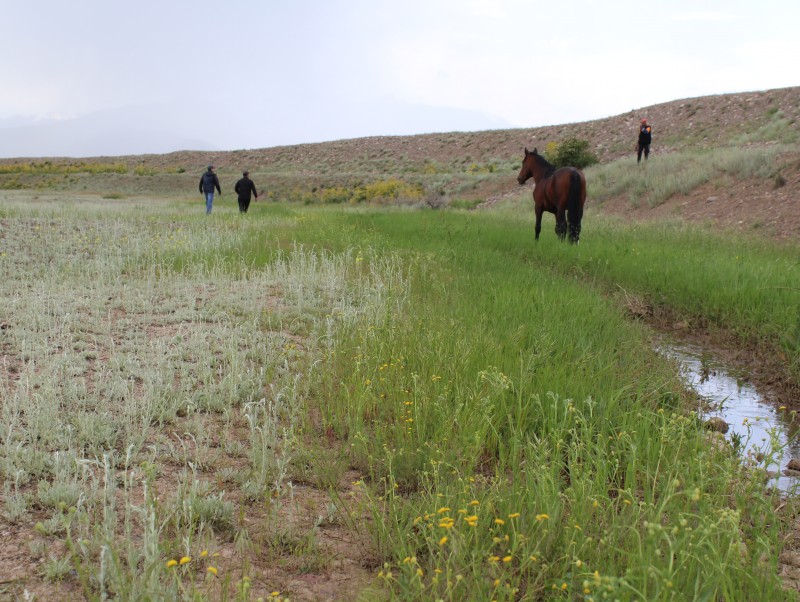
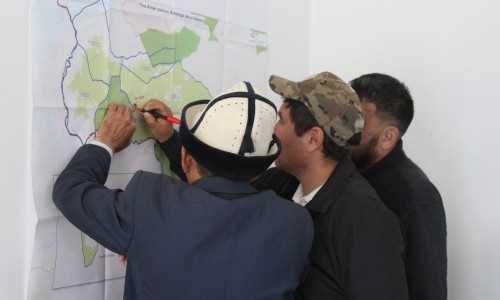
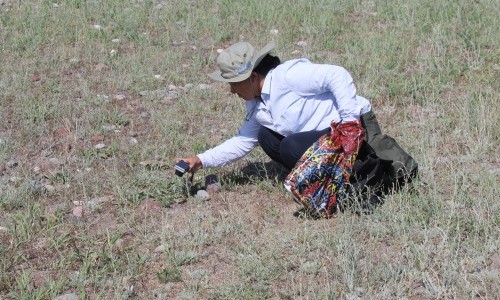
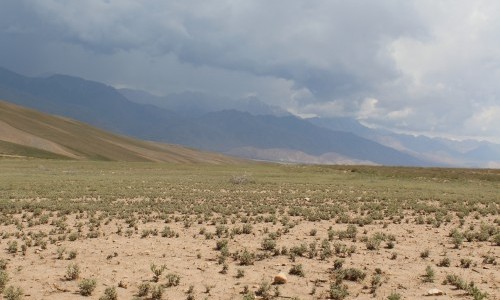
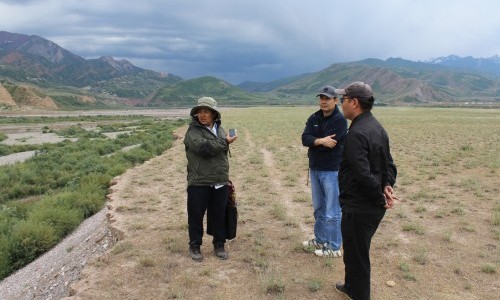
During the second half of the meeting, participants conducted a field visit to the pastures to identify the restoration areas on-site. The plans for the 3 selected pilot sites include installing fences, over-seeding grasses, applying fertilizers, and creating protective forest belts using sea buckthorn, willow, poplar, currant, and other crops. Responsible persons from among local residents, municipal enterprises, and the forestry department were assigned to each site.

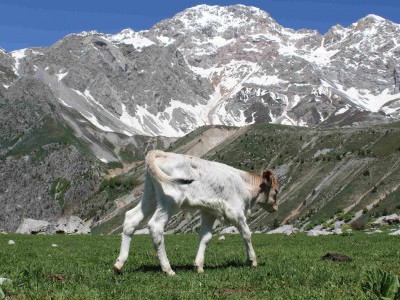
Итоги пастбищного сезона 2018 года были подведены на очередном заседании районной пастбищной комиссии (РПК).
More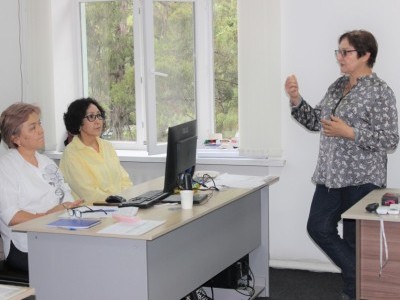
The development of the unified method, "Monitoring Pastures at the Local Level," is nearing completion.
More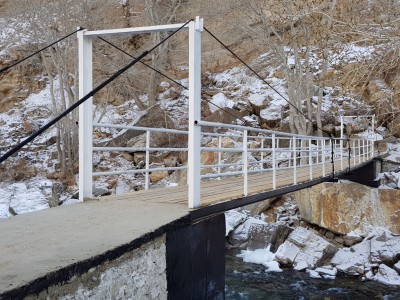
Четыре новых моста построены в 2018 году в Кыргызстане при поддержке ОФ “CAMP Алатоо” и Швейцарской ассоциации “Памирские...
More