Systemic learning and mainstreaming of Biodiversity Targets for Innovative Transformation and Behavioural Change (SYMBIOTIC)

What we are doing
Implementation Period
  • Implementation Period: 2026 - 2030
  • Donor organization: International Climate Initiative (IKI)
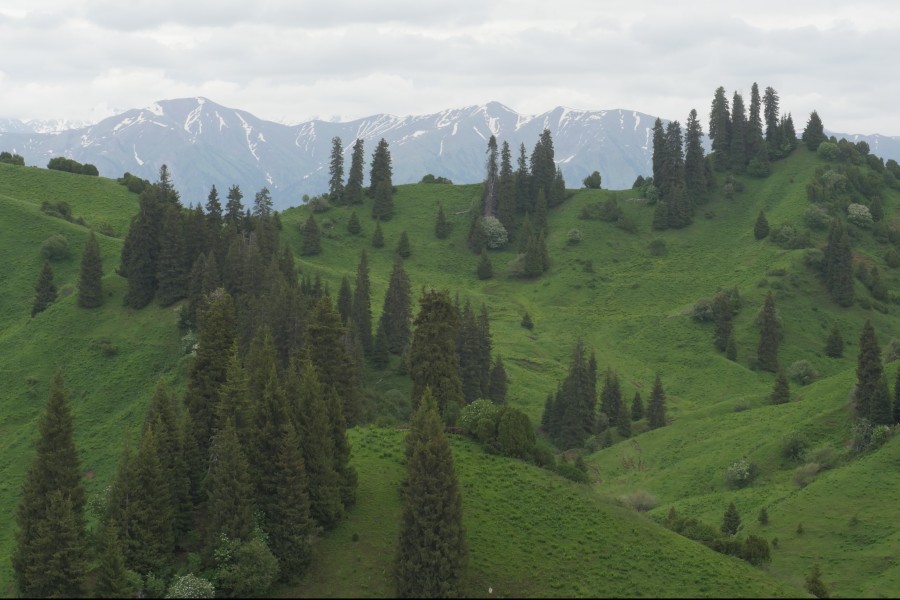
  • Geographical location: Issyk-Kul, Naryn, Chui oblast
The SYMBIOTIC project was developed in response to the global challenge of biodiversity conservation. Addressing this issue requires raising public awareness and driving behavioral change. Therefore, the project is built on the concept of uniting decision-makers, scientists, educators, media, the private sector, and local communities. The initiative provides training and an approach that turns knowledge into environmentally responsible behavior, making biodiversity conservation a priority in decision-making at all levels.

Project Background

SYMBIOTIC is an international initiative operating in Kyrgyzstan, Ethiopia, Indonesia, Kenya, and Madagascar in partnership with NABU (Nature and Biodiversity Conservation Union, Germany). The project aims to mainstream biodiversity conservation into sustainable development, education, public planning, and economic decision-making.

Project Objectives & Goals

To ensure that biodiversity conservation becomes an integral part of sustainable development and decision-making at national and local levels. This objective will be achieved through awareness raising, capacity building, education, and the practical implementation of sustainable approaches.

In Kyrgyzstan, the project will focus on training specialists and local community members, raising awareness about the importance of biodiversity conservation, and promoting the integration of environmental practices into agriculture, education, and the economy.

Project Result

  • Integration of biodiversity issues into education, public planning, the economy, and natural resource management.

  • Implementation of long-term tools and approaches within existing national systems.

  • Development of educational programs and digital materials, as well as the promotion of citizen science.

  • Advancement of sustainable pasture management, yak farming, and biodiversity-friendly value chains.

  • Increased public awareness and the promotion of environmentally responsible behavior through engagement with media, youth, and local communities.